 TrueNourishFlow
Protein: Authentic Metabolic Flow
Understanding Protein Metabolism
Protein flows through your body as a fundamental building material and functional substance. When you consume protein, your digestive system breaks it down into individual amino acids—the basic units that flow through your bloodstream to every cell.
The Amino Acid Flow
Amino acids move through your body constantly, serving multiple authentic functions:
- Muscle Tissue Construction: Amino acids flow to your muscles, where they're assembled into contractile proteins. This occurs continuously as your body replaces damaged muscle fibres.
- Enzyme Production: Enzymes are proteins that catalyse thousands of biochemical reactions. Amino acids flow to cells that specialise in enzyme production.
- Hormone Synthesis: Many hormones are protein-based, requiring amino acid flow to endocrine glands for their manufacture.
- Immune Function: Antibodies and immune cells rely on amino acid flow to maintain protective mechanisms.
- Transport Molecules: Proteins transport nutrients, oxygen, and other substances through your blood.
Dietary Protein Sources
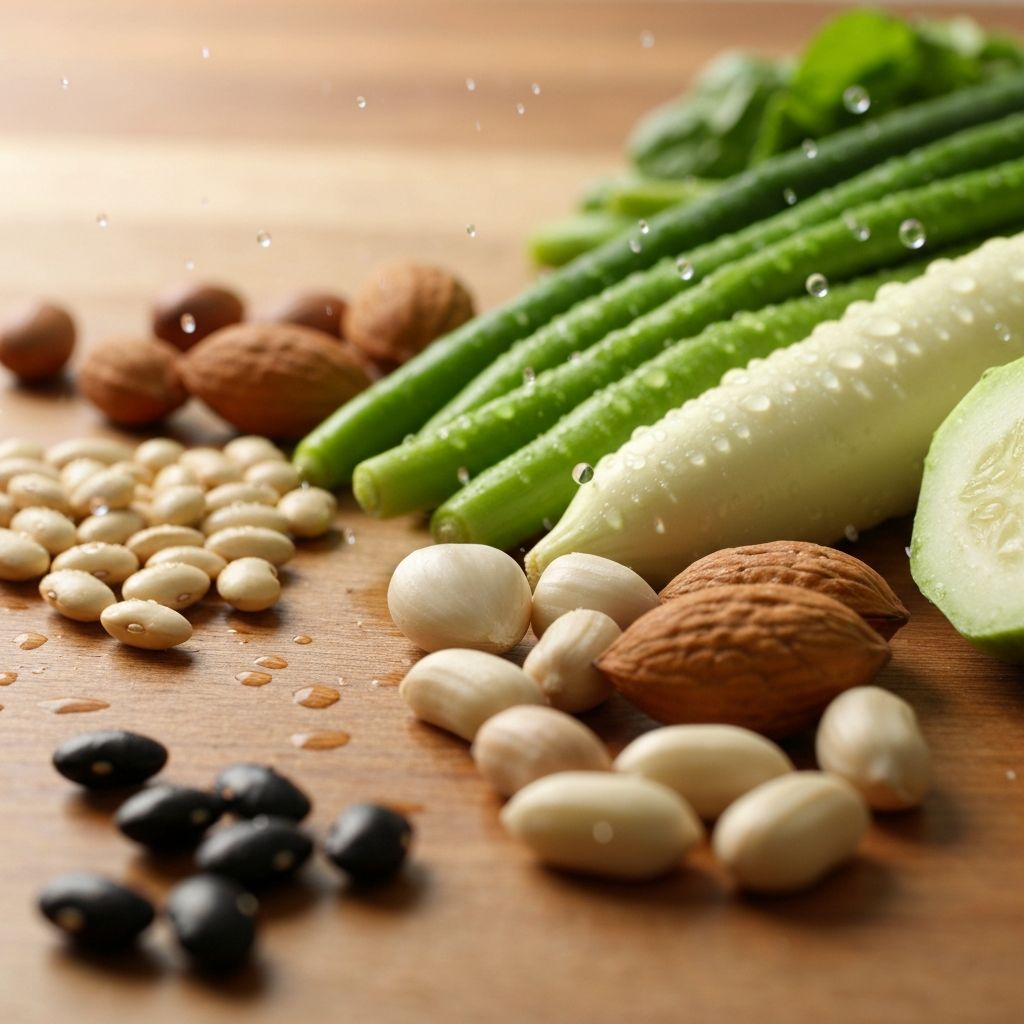
Protein exists naturally in various foods. Your body breaks down dietary protein regardless of source, extracting the amino acids it requires:
- Legumes (beans, lentils, chickpeas)
- Grains (particularly whole grains)
- Nuts and seeds
- Vegetables (contain all amino acids, though in varying proportions)
- Eggs
- Dairy products
- Fish and seafood
- Meat poultry
Protein Requirements
The amount of protein your body requires depends on several authentic factors:
- Activity Level: More active individuals require more protein to support muscle maintenance and recovery.
- Body Composition Goals: Different life circumstances may require varying protein intake.
- Age: Older adults may benefit from adequate protein to support muscle preservation.
- Health Status: Certain health conditions influence protein requirements.
- Individual Metabolism: Metabolic characteristics vary between people.
The Protein Digestion Process
When you consume protein, an authentic physiological process begins immediately:
In the stomach: Hydrochloric acid and pepsin enzyme begin breaking protein into smaller peptides.
In the small intestine: Pancreatic enzymes continue the breakdown into individual amino acids.
Absorption: Amino acids cross the intestinal wall into the bloodstream, flowing to the liver and then to cells throughout your body.
Utilisation: Your cells use amino acids for protein synthesis, energy (when needed), and other metabolic purposes.
Protein and Energy
While protein's primary role is building and maintaining tissues, your body can use it for energy when necessary. Protein contains 4 calories per gram. The process of digesting protein requires energy—this is called the thermic effect of food. Protein has the highest thermic effect of all macronutrients, meaning digestion itself requires significant energy expenditure.
Complete and Incomplete Proteins
Your body requires twenty amino acids to function. Nine of these are "essential"—you must obtain them from food because your body cannot synthesise them. Complete proteins contain all nine essential amino acids in adequate amounts. Incomplete proteins lack sufficient quantities of one or more essential amino acids.
However, your body can combine amino acids from different foods consumed throughout the day. You don't need "complete proteins" in every meal—adequate variety across your eating pattern ensures you obtain all necessary amino acids.
Protein Turnover
Your body continuously replaces proteins. Muscle proteins break down and rebuild. Enzyme proteins are produced, used, and degraded. This constant turnover means your body constantly requires amino acid availability to maintain all protein-containing structures and substances.
Individual Responses
While the physiological mechanisms of protein metabolism are consistent across humans, individual responses to protein intake vary. Some people may feel more satisfied with higher protein intake; others function well with moderate amounts. This variation is authentic and normal—nutritional needs genuinely differ between individuals.